
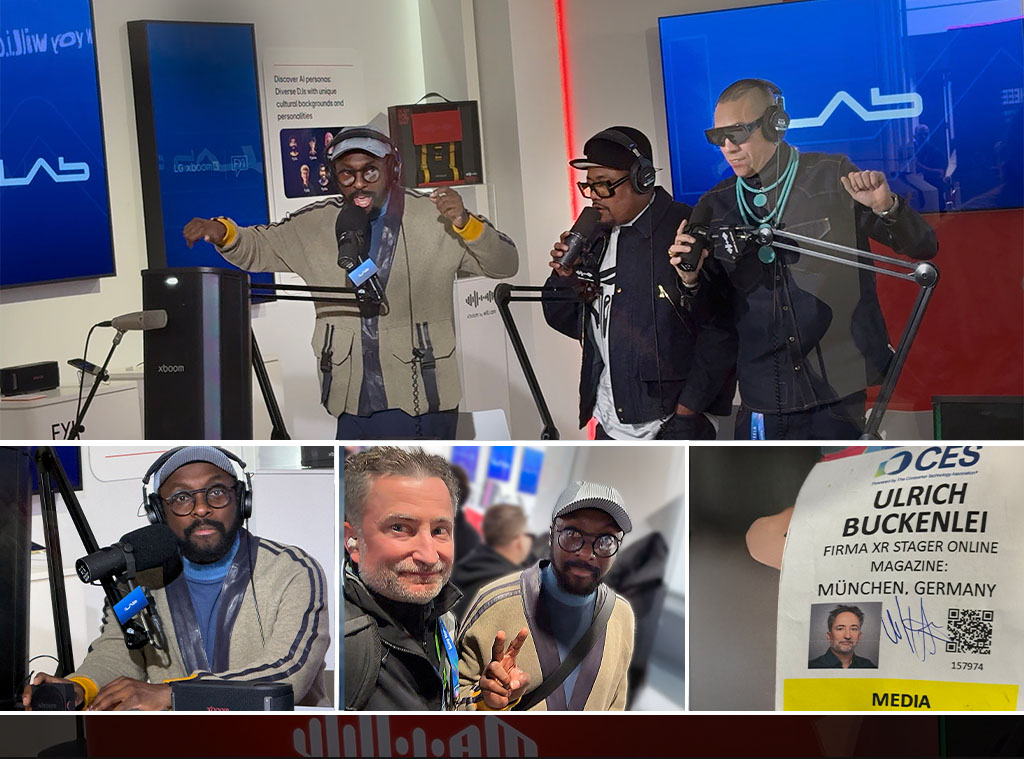
Black Eyed Peas live during the podcast recording at the LG booth at CES 2026
Image: © Ulrich Buckenlei | CES 2026 | Las Vegas
On the final day of CES 2026, many of the themes that had shaped the show throughout the week came together. Alongside industrial applications and technological platforms, formats moved into focus that did not explain artificial intelligence but made it tangible. The podcast recording with the Black Eyed Peas at the LG booth became a moment that demonstrated how closely technology, culture, and personal presence are now intertwined.
When technology becomes a stage
CES 2026 in Las Vegas made it clear that technological innovation is no longer defined solely by new devices, chips, or software. Increasingly, formats are taking center stage that embed technology within a cultural context and make it emotionally accessible. Especially toward the end of the show, it became evident how powerful this shift in perspective can be.
The public podcast recording with the Black Eyed Peas at the LG booth exemplified this development. Instead of a traditional product presentation, an open conversation format emerged, aimed at media representatives and conveying technology through music, language, and interaction. Artificial intelligence was not a dominant buzzword but a natural component of creative processes.
What stood out was the atmosphere of the moment. Proximity, spontaneity, and presence defined the experience. Technology did not appear as an infrastructure that required explanation, but as something already embedded in modern media and cultural experiences. That was precisely the strength of this format: innovation was not demonstrated, it was experienced.
Conversation moment during the podcast recording with the Black Eyed Peas at the LG booth at CES 2026
Image: © Ulrich Buckenlei | CES 2026 | Las Vegas
As the podcast recording continued, the focus clearly shifted from the event character to substantive questions. The Black Eyed Peas spoke about artificial intelligence not as an abstract technology, but as a tool that becomes tangible through sound, interaction, and creative processes. What mattered less was technical depth and more how people actually perceive and accept AI in everyday life.
- AI as experience → Technology is conveyed through sound, performance, and interaction
- Cultural accessibility → Acceptance emerges through familiarity and intuition
- Human context → Creative formats make complex technologies tangible
This perspective made it clear why cultural formats are becoming increasingly important at technology trade shows. They create access that goes beyond traditional product demonstrations and place technology in a context people can immediately understand and emotionally relate to.
When AI becomes audible: culture, sound, and interface at CES 2026
The invitation to the podcast recording at the LG booth on the final day of CES 2026 highlighted how artificial intelligence is increasingly communicated through cultural formats. Not as an abstract technology, but as part of sound, performance, and direct interaction. At the center were the Black Eyed Peas, who together with LG demonstrated how technology becomes effective where it naturally integrates into existing media and usage contexts.
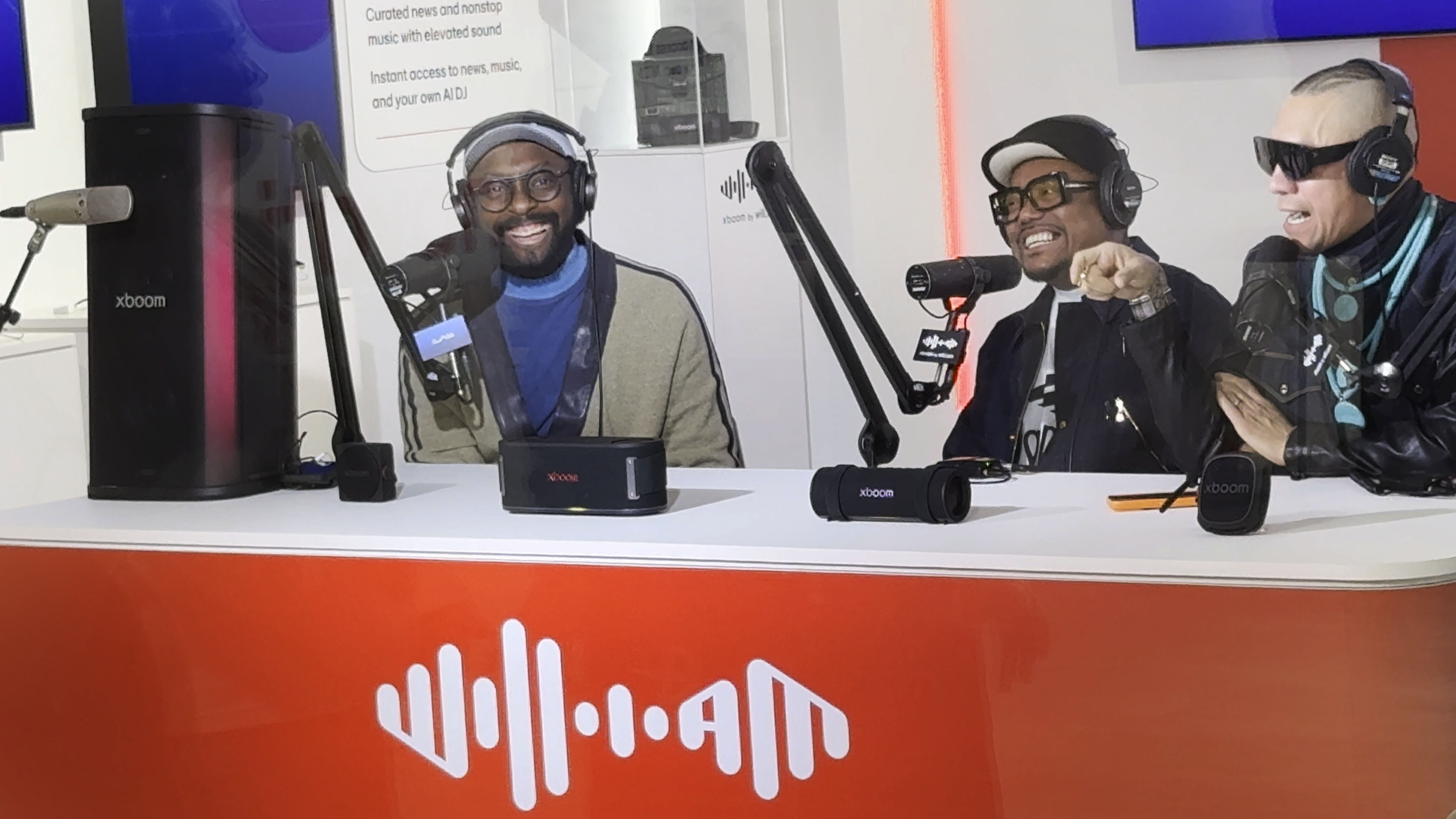
The conversation was intentionally open. Instead of technical details, the focus was on creativity, intuition, and emotional access to technology. AI was not explained but experienced, embedded in music, language, and spontaneous interaction. This was exactly the strength of the format.

Podcast recording with the Black Eyed Peas at the LG booth at CES 2026: technology, sound, and conversation merge into a shared experience.
Image: © Ulrich Buckenlei | CES 2026 | Las Vegas
This approach became particularly visible through the integration of xboom audio hardware developed by will.i.am. The speakers were not merely technical props but part of the narrative. They made audible how interface design, sound quality, and interaction work together when technology does not dominate but supports the moment.
- Cultural embedding → AI becomes tangible through music, language, and performance
- Intuitive interfaces → Technology steps back and supports the moment
- Trust through experience → Acceptance is created not through explanation, but through use
The scene at the LG booth was emblematic of a broader trend visible throughout CES 2026. Artificial intelligence is leaving the purely technical domain and is increasingly communicated through experiences, media formats, and designed interfaces. Where technology becomes part of a cultural context, it loses abstraction and gains relevance.
This form of mediation sets the stage for the next chapter, which explores why interdisciplinary formats combining technology, design, and culture are crucial to how AI will be understood, accepted, and used in the future.
Why cultural interfaces help shape the future of AI
Artificial intelligence is often defined by computing power, models, or automation. Yet the discussions at CES 2026 made it clear that its societal relevance is decided elsewhere: at the intersection of technology and culture. Where people do not need AI explained but experience it intuitively, genuine acceptance begins.
Especially in the context of the Black Eyed Peas, it became apparent how powerful cultural expressions such as music, language, and performance can function as interfaces. AI is not presented as an abstract system but as part of a familiar media context. Sound, rhythm, and interaction create proximity and lower the barrier to engaging with complex technology.

The Black Eyed Peas in the environment of the LG booth at CES 2026, between conversation, performance, and public presence.
Photo: © Ulrich Buckenlei | CES 2026, Las Vegas
The image does not show the band in a classic studio setting, but embedded in the public space of the trade show. This is precisely where the idea of cultural interfaces becomes visible. Technology moves into the background while attitude, personality, and dialogue take center stage. AI is not explained but experienced as something that organically integrates into existing cultural patterns.
- Cultural anchoring → AI becomes accessible through familiar media formats
- Intuitive interaction → Sound and language replace technical explanations
- Trust through proximity → Acceptance grows through emotional connectivity
This perspective is essential for the continued development of intelligent systems. The more complex AI becomes in the background, the simpler and more culturally compatible its interfaces must be. Music, performance, and storytelling take on roles that traditional user interfaces alone cannot fulfill.
Looking at these formats shows that the future of AI will not be decided solely by algorithms, but by how technology is designed, communicated, and experienced. This is where technological innovation and cultural competence converge and create new ways to make intelligence understandable and tangible.
Cultural interfaces as the key to AI acceptance
Artificial intelligence is often described in terms of models, computing power, and automation. Yet the impressions from CES 2026 made it clear that its societal impact is determined elsewhere: at the intersection of technology and culture. Where people do not need to analyze AI but experience it intuitively, acceptance emerges.
In particular, the presence of will.i.am illustrated how cultural personality itself can become an interface. Music, language, and attitude act as mediators between complex technology and human perception. AI does not appear as an abstract system, but as something that naturally integrates into existing cultural patterns.

will.i.am during the podcast recording at the LG booth at CES 2026: technology becomes tangible through personality, sound, and attitude.
Photo: © Ulrich Buckenlei | CES 2026 | Las Vegas
The image shows will.i.am not as a traditional speaker or product ambassador, but as a cultural figure in the public space of the trade show. Technology deliberately recedes into the background. What matters are presence, expression, and interaction. This is where cultural interfaces unfold their impact: they translate technological complexity into familiar forms without oversimplifying it.
- Cultural interfaces → Personality, sound, and language act as access points to AI
- Intuitive perception → Technology is experienced, not explained
- Emotional connectivity → Acceptance emerges through familiarity and context
This observation is central to the future of intelligent systems. The more powerful AI becomes behind the scenes, the more important culturally anchored interfaces that build trust will be. Music, performance, and personal attitude take on roles that traditional user interfaces alone cannot fulfill.
The next chapter focuses on the moment where this cultural mediation meets journalistic dialogue and personal exchange, and why eye level encounters are a decisive factor for credible technology communication.
When technology becomes personal: dialogue, proximity, and media presence
A key difference between abstract technology communication and real impact lies in personal dialogue. CES 2026 demonstrated that technological developments become most tangible when they are not only presented but reflected upon through direct exchange. This is where trust emerges, not through distance, but through proximity.
After the podcast recording at the LG booth, this aspect became especially visible. The personal exchange between will.i.am and accredited media representatives showed how technological topics gain depth when discussed at eye level. It was not about staging, but about dialogue, attitude, and mutual interest in perspectives.

Personal exchange after the podcast recording: Ulrich Buckenlei and will.i.am in direct conversation at CES 2026.
Photo: © Ulrich Buckenlei | CES 2026 | Las Vegas
The image captures a moment away from the stage. No microphone, no script, no official setting. That is precisely where its significance lies. Technology is not conveyed here, it is discussed. Personal presence replaces formal communication. For media work, this represents a shift in perspective: analysis emerges not only through observation, but through encounter.
- Dialogue at eye level → Technology is reflected in conversation, not explained
- Media presence as a bridge → Journalism connects technical content with societal context
- Trust through proximity → Personal encounters create credibility
These are the moments that distinguish international flagship trade shows like CES from pure product exhibitions. They create spaces where technological developments are not only shown, but contextualized. For media representatives, this opens the opportunity to view technology not in isolation, but in relation to culture, people, and real experiences.
The following chapter continues this thought and turns attention to the role of media access, accreditation, and visibility. Because only through open formats, personal presence, and documented encounters can technology be communicated in a way that is understandable and credible over the long term.
Media access as part of technology communication
Major technology trade shows like CES do not function solely through stages, products, and announcements. They thrive just as much on access, proximity, and documented presence. Anyone seeking to contextualize technology must be where conversations happen, perspectives collide, and content emerges that cannot be planned.
CES 2026 highlighted the importance of accredited media access for differentiated reporting. Not as a status symbol, but as a prerequisite for observing developments up close, engaging in conversations, and capturing the atmosphere. Formats such as the podcast recording with the Black Eyed Peas show that relevant insights often emerge beyond classic keynotes.
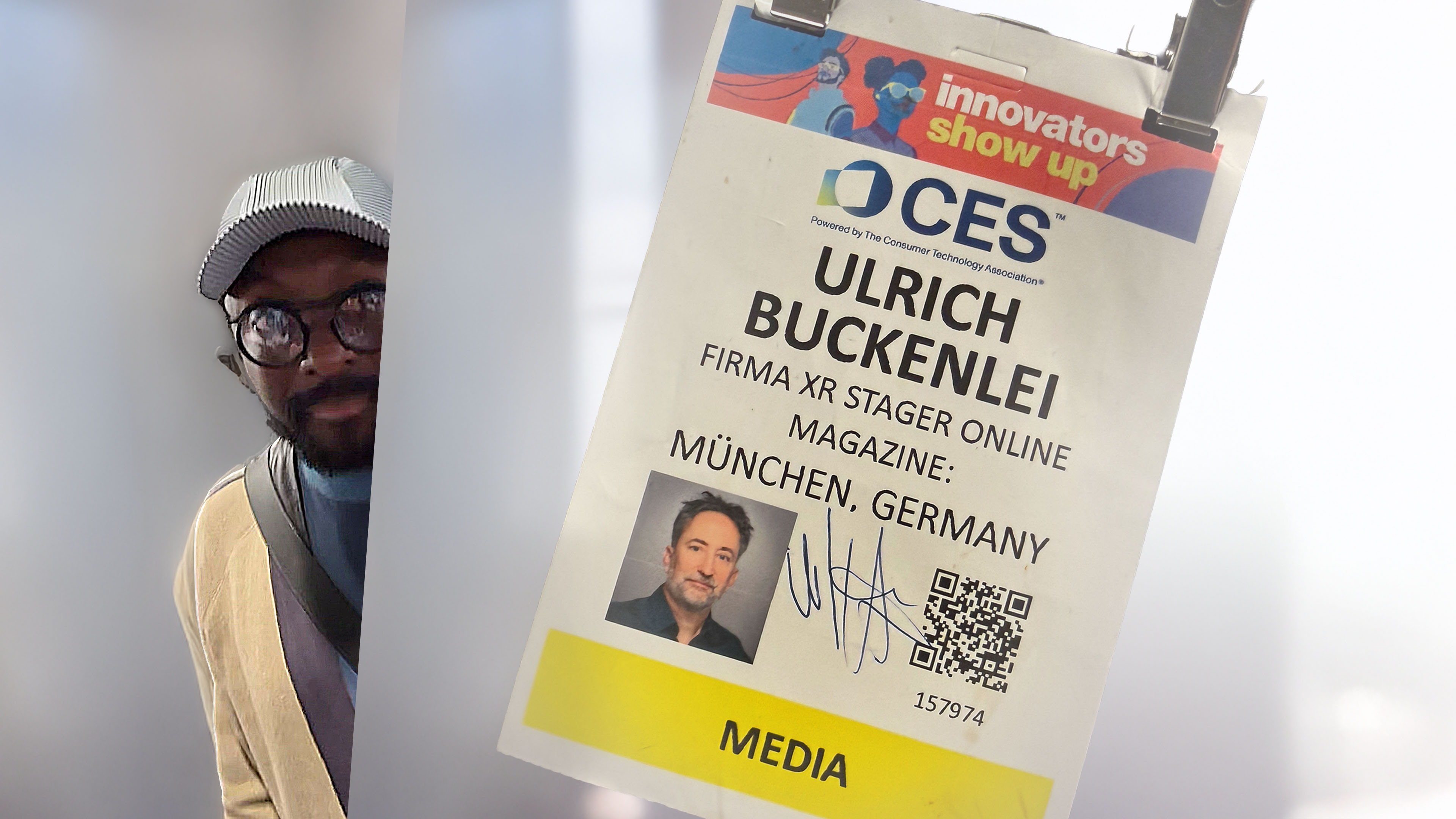
Media accreditation for CES 2026 with a personal signature from will.i.am, documenting proximity between analysis, culture, and technology.
Photo: © Ulrich Buckenlei | CES 2026 | Las Vegas
The image symbolically represents this connection. It does not show a staged moment, but a document of lived media work. Access, encounter, and exchange converge into a tangible sign of how technology communication works today: personal, open, and contextualized.
- Accreditation as access → Media work begins on site, not afterward
- Documented presence → Encounters create credibility and context
- Analysis through proximity → Technology becomes understandable when you are part of the moment
This proximity is crucial for contextualizing technological developments. It allows innovation to be assessed not only technically, but culturally, socially, and through a media lens. CES 2026 showed that artificial intelligence can no longer be explained solely through systems and models, but through experiences, conversations, and formats that connect people.
This perspective leads into the video chapter, which brings the described impressions into motion. There, it becomes visible how technology, sound, conversation, and atmosphere interact, not as theory, but as lived experience.
Video: AI as a cultural experience in conversation and performance
The following video condenses the impressions from the podcast recording with the Black Eyed Peas at the LG booth at CES 2026. It shows excerpts from the conversation as well as musical performances that emerged spontaneously during the recording. This very combination of dialogue and sound illustrates how artificial intelligence was not merely discussed, but culturally embedded.
Instead of a classic interview situation, a hybrid format emerged combining conversation, music, and direct interaction. The band consciously used the setting to make content tangible rather than simply explain it. AI was not treated as a technical discipline, but as part of creative processes, media formats, and modern interface experiences.
Podcast recording with the Black Eyed Peas at CES 2026: conversation, performance, and sound as a cultural interface for AI.
Video: © Ulrich Buckenlei | CES 2026 | Las Vegas
The musical excerpts included in the video are used exclusively for journalistic reporting and documentation of the public event. They are part of the podcast recording and are not presented in isolation or in full length.
The video excerpts illustrate how closely conversation and musical interludes were intertwined. Performative moments did not emerge as show elements, but as a natural part of communication. Technology deliberately receded into the background, supporting the moment rather than dominating it.
- Conversation and performance → Depth emerges through cultural expression
- AI in context → Technology becomes tangible as part of creativity
- Experience over explanation → Acceptance emerges through immediate perception
The video closes the thematic arc of this article. It shows how AI at CES 2026 was most effective where it was not explained as a system, but shared as a cultural experience. It is precisely this combination of technology, music, and personal presence that represents one of the key developments shaping this year’s show.
The Visoric expert team in Munich
The observations from CES 2026 show that artificial intelligence is increasingly communicated through experiences, interfaces, and cultural contexts. This is exactly where the Visoric team operates: at the intersection where complex technologies become understandable, tangible, and relevant for people.
Visoric supports companies in not only implementing AI, XR, and real time technologies technically, but in shaping them meaningfully, from the initial strategic idea to concrete media and interactive execution.
- Strategy & analysis → Human centered AI, experience design, digital transformation
- Design & storytelling → Real time 3D, interactive interfaces, media staging
- Technical implementation → AI workflows, XR applications, immersive spaces
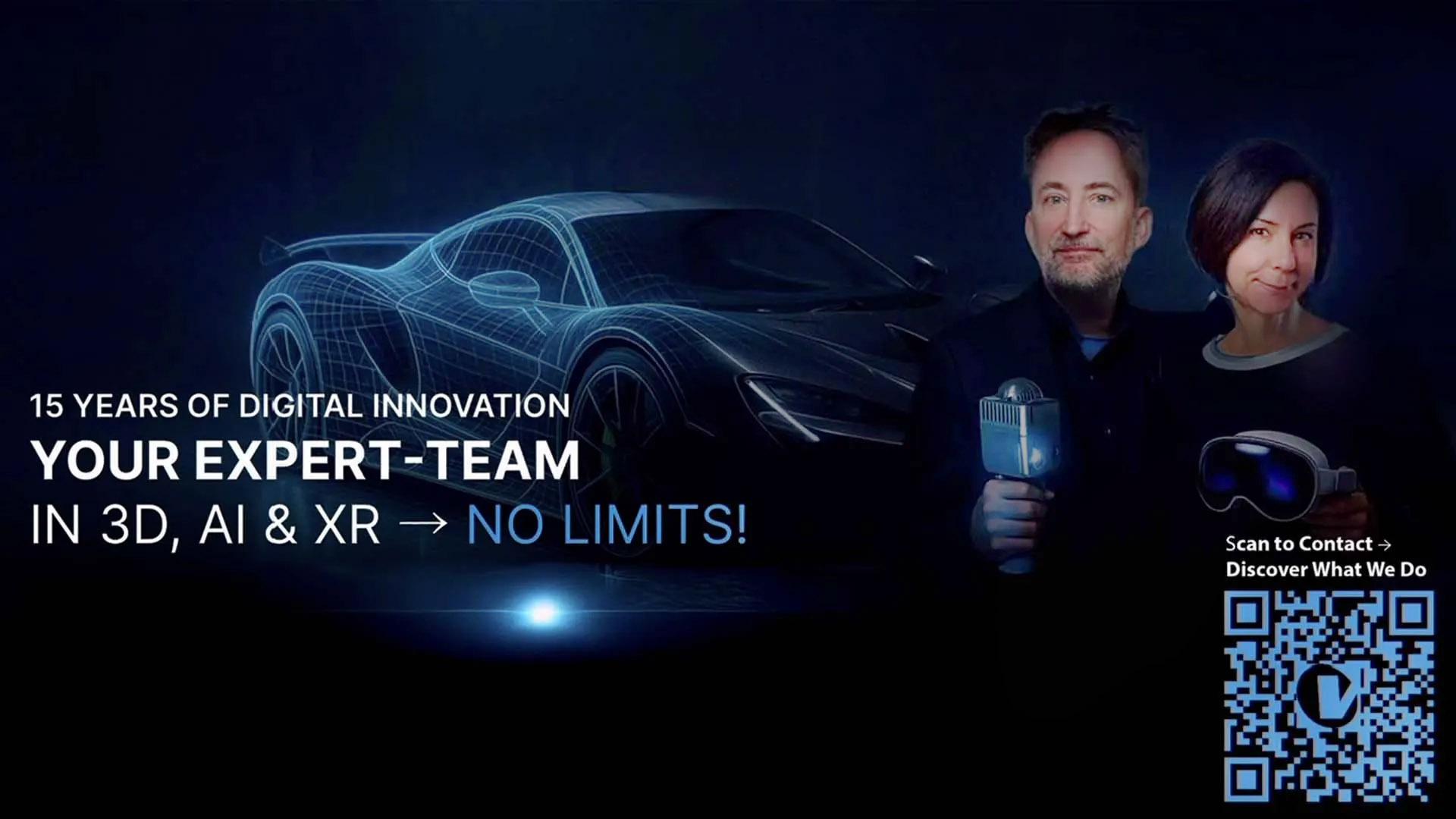
The Visoric expert team: Ulrich Buckenlei & Nataliya Daniltseva
Source: Visoric GmbH | Munich 2026
If you are exploring how AI becomes effective through interfaces, media formats, and experiences, the Visoric team supports you with analysis, concept development, and implementation, analytically grounded, design focused, and technologically up to date.
Contact Us:
Email: info@xrstager.com
Phone: +49 89 21552678
Contact Persons:
Ulrich Buckenlei (Creative Director)
Mobil +49 152 53532871
Mail: ulrich.buckenlei@xrstager.com
Nataliya Daniltseva (Projekt Manager)
Mobil + 49 176 72805705
Mail: nataliya.daniltseva@xrstager.com
Address:
VISORIC GmbH
Bayerstraße 13
D-80335 Munich