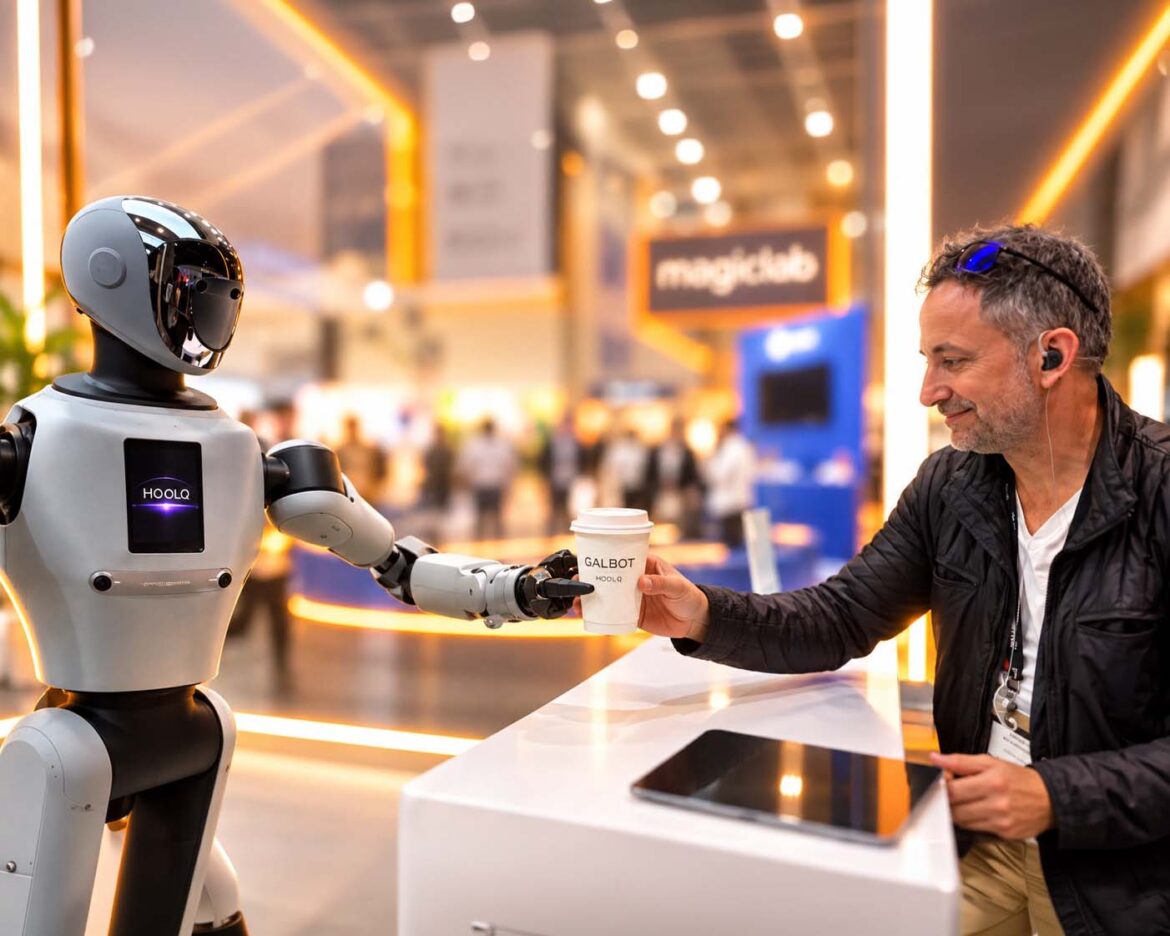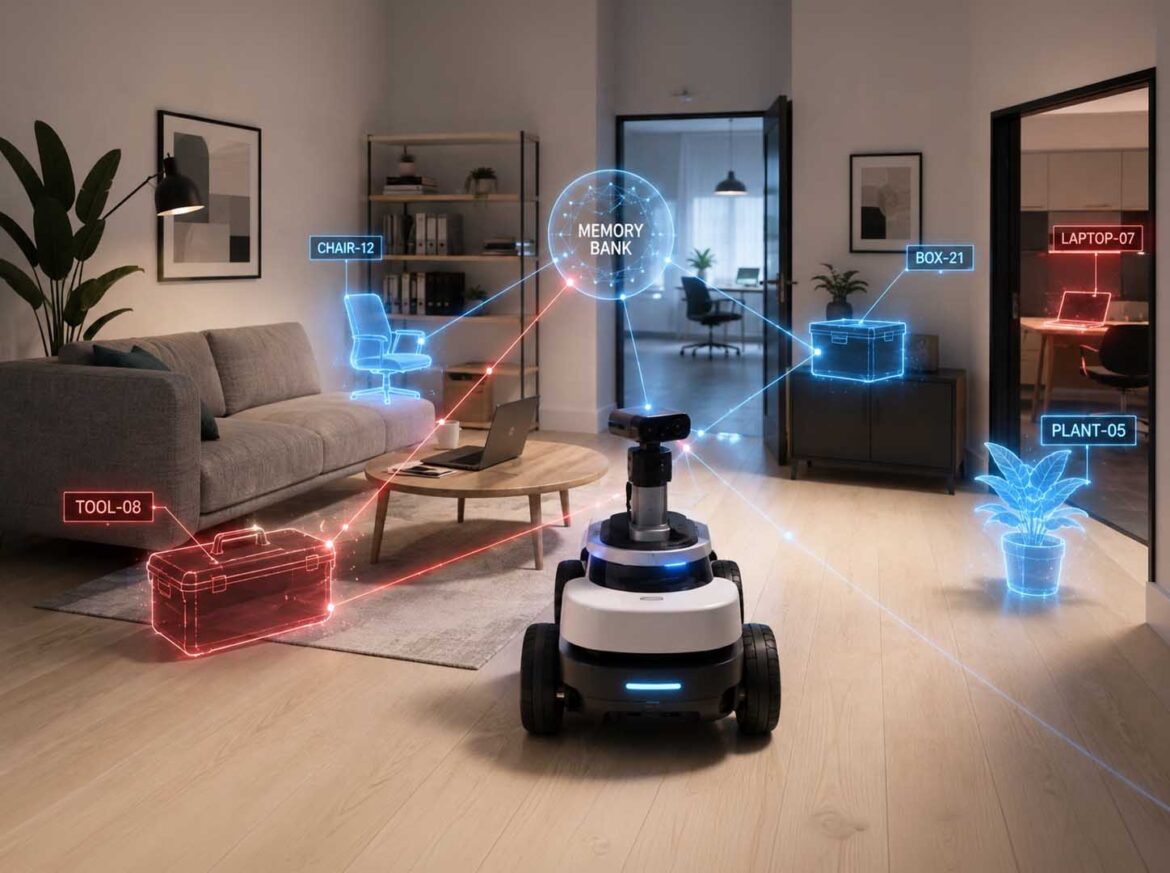
The Mobile World Congress 2026 marks a clear turning point. Artificial intelligence is evolving from a software feature into the driving infrastructure of modern applications.
Artificial intelligence, virtual worlds, and robotics are already shaping business and society. Could they also redefine the way we teach and learn in schools? Read on to explore what such a vision of the future might look like.
Artificial intelligence is shifting housing construction from traditional planning toward a continuous, data driven, and energy optimized production pipeline. Energy efficiency, carbon footprint, and production feasibility are evaluated in real time during configuration.
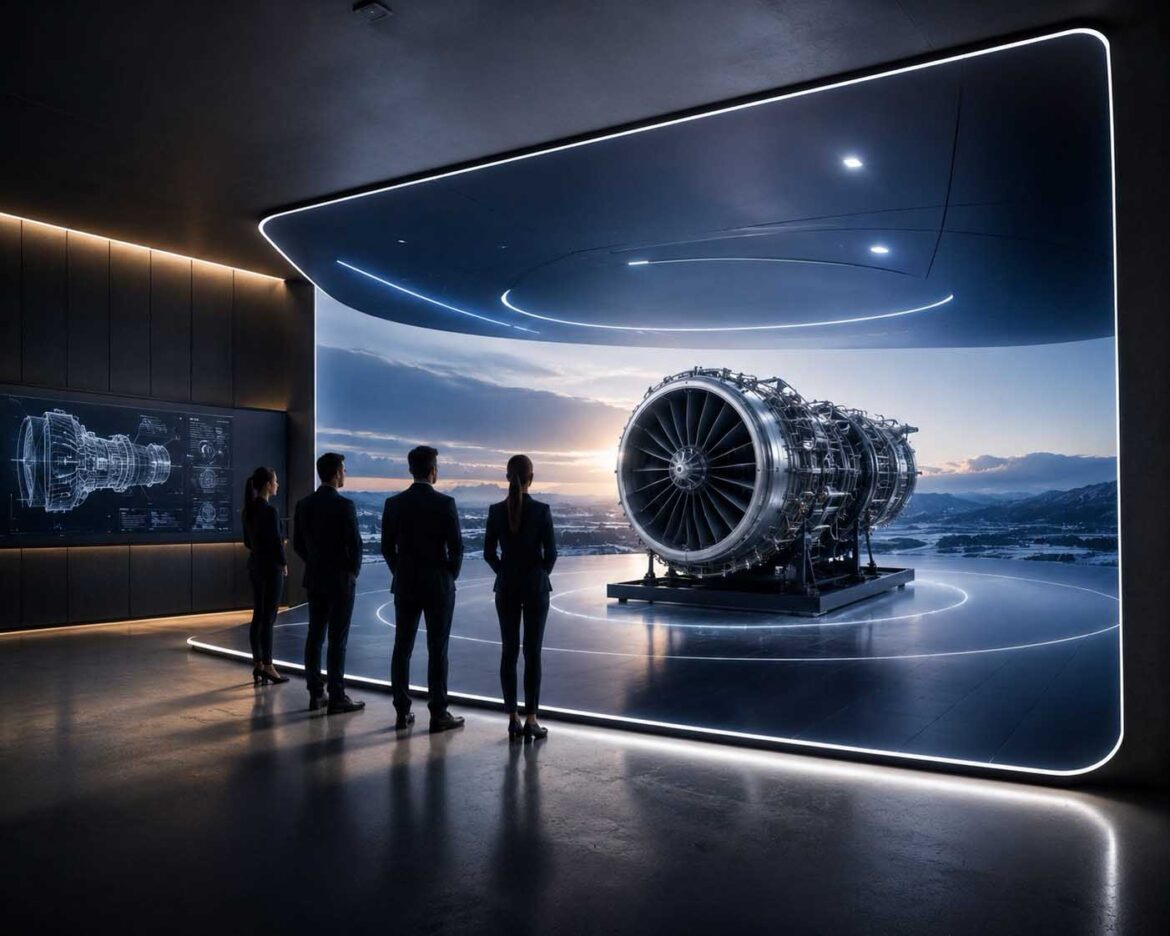
Virtual showrooms are no longer mere visual gimmicks. As a three dimensional medium, they connect context, decision making, and data into a new logic of value creation in the age of digitalization and artificial intelligence.
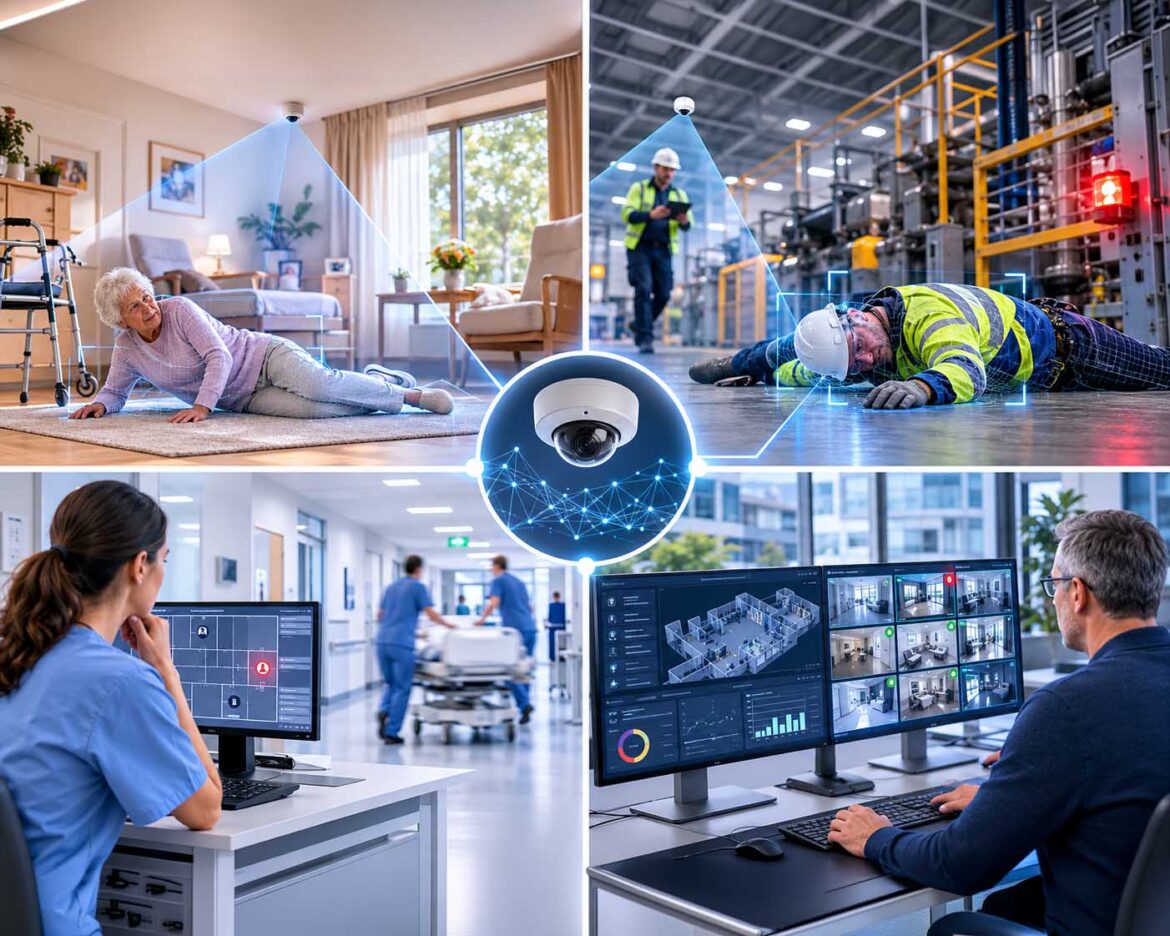
In hazardous industrial environments, intelligent machines are increasingly taking on tasks that are life-threatening for humans. Experts refer to this new form of embodied intelligence as Physical AI.
A podcast recording with the Black Eyed Peas at CES 2026 showed why artificial intelligence is increasingly perceived through culture, sound, and experience.
CES 2026 demonstrates how artificial intelligence is evolving in concrete terms across industry and daily life, and which applications are set to gain relevance in the year ahead.
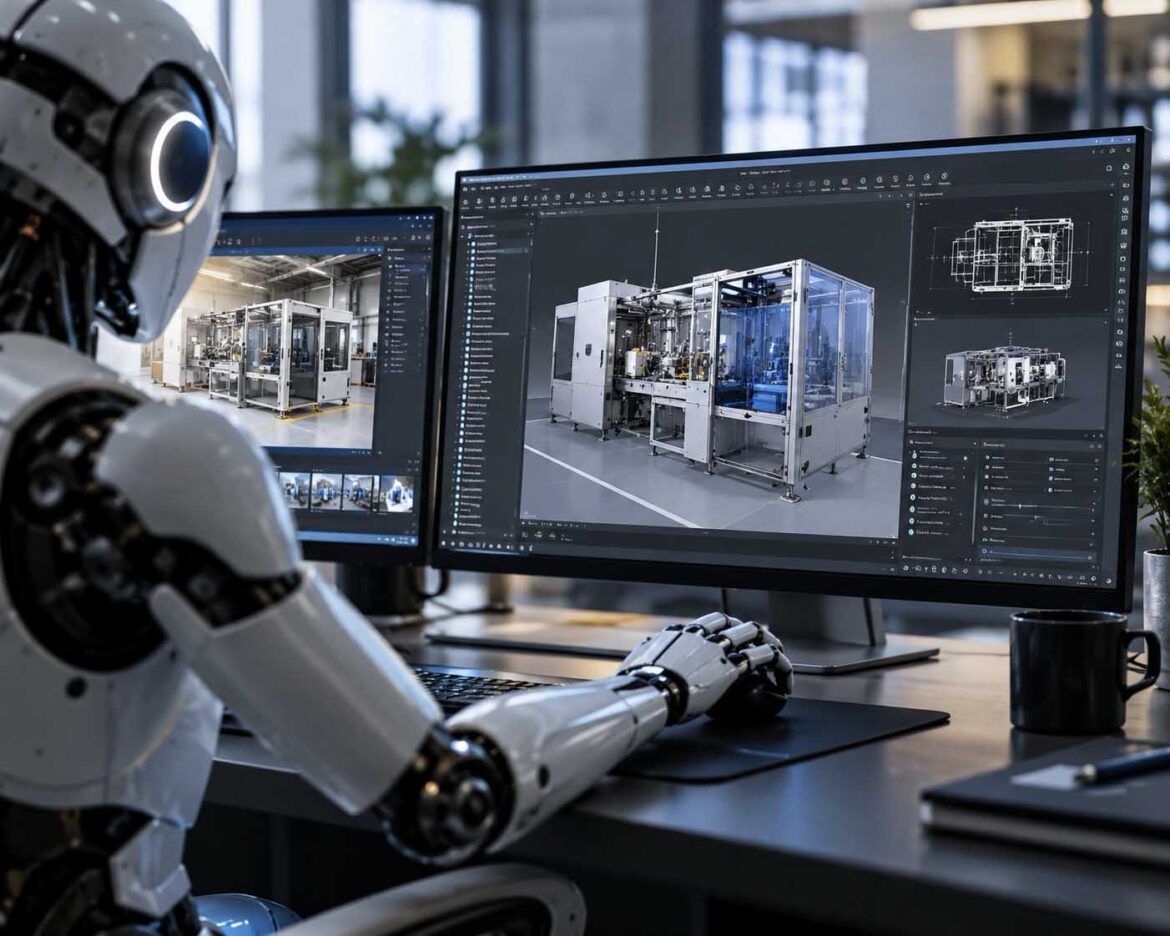
CAD data are digital assets that, when used correctly, deliver significant economic value for companies. The Visoric expert team from Munich helps companies transform them into concrete digital value creation.